Why Sisal Is the Fastest-Growing Natural Fiber of 2025 — And How Tanzania Leads the Way
Something significant is happening in global manufacturing. Across industries as diverse as construction, automotive, consumer goods, and agriculture, buyers are walking away from synthetic fibers and demanding a natural alternative. And one fiber is rising to meet that demand faster than any other: sisal.
If you are a procurement manager, industrial buyer, or investor in the natural materials space, understanding the sisal story in 2025 is not optional — it is essential. In this article, we explore why sisal demand is accelerating, what is driving it, and why Tanzania — and specifically estates like Liemba Sisal in Tanga — are at the center of this global shift.
The Global Natural Fiber Revolution
The world has a synthetic fiber problem. Polypropylene ropes pollute the ocean. Fiberglass composites are difficult to recycle. Synthetic twines in agriculture contaminate soil. As environmental regulations tighten and consumer awareness grows, industries are being pushed — and in some cases legally required — to find biodegradable alternatives.
This has created an extraordinary tailwind for natural fibers. The global sisal market was valued at over USD 1.35 billion in 2024 and is forecast to grow at a CAGR of 4.3% through 2031. But behind those headline numbers are even more striking sector-specific growth figures: sisal usage in construction and infrastructure rose by 39% in developed regions in 2024 alone. Geotextile applications for sisal grew by 29% in the same period. And in the packaging sector, sisal pulp-based materials grew by 36% globally.
These are not marginal gains. They are structural shifts in how industries source and use fiber.
Why Sisal Specifically?
Of all the natural fibers competing for this moment, sisal has a uniquely strong value proposition. Here is why buyers keep coming back to it:
1. Exceptional Strength-to-Weight Ratio
Sisal fiber is one of the strongest natural fibers available commercially. Its tensile strength rivals many synthetic alternatives, making it suitable for demanding industrial applications like marine rope, reinforced composites, and construction materials — not just craft or decorative uses.
2. Fully Biodegradable
Unlike synthetic fibers, sisal breaks down naturally at the end of its life cycle. For construction materials, agricultural twine, and geotextiles, this means no microplastic contamination — a growing regulatory concern in both the EU and North American markets.
3. Carbon-Neutral Cultivation
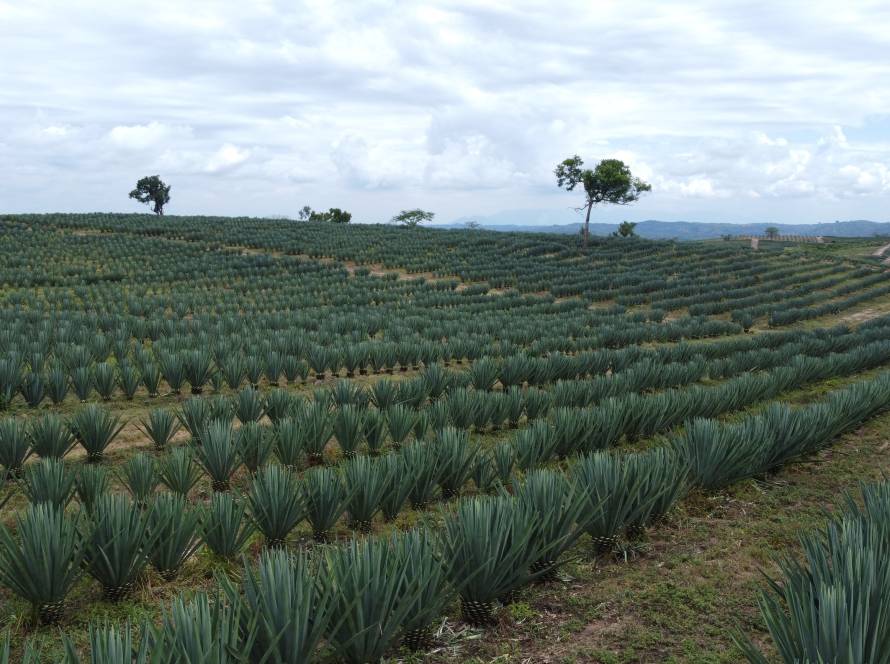
The agave sisalana plant — from which sisal fiber is extracted — grows in semi-arid conditions with minimal water requirements, no pesticide dependency, and the ability to improve soil health. It is one of the most environmentally efficient crops for fiber production.
4. Versatility Across Industries
- Construction: fiber reinforcement in plaster, cement, and gypsum
- Agriculture: baling twine and crop support
- Marine: rope and cordage
- Automotive: door linings and underbody composites
- Consumer: rugs, mats, and furniture
- Industrial: polishing cloths and filtration materials
- Packaging: pulp-based eco-packaging
In 2024, over 62% of global natural fiber consumption from agave-based sources was driven by sisal. With approximately 1.2 million tons harvested globally, and more than 40 countries involved in cultivation, sisal is the dominant force in the natural fiber category.
📌 Did You Know?
Tanzania’s Central Role in Meeting Global Demand
Tanzania is not a peripheral player in this story. It is one of the two most important sisal-producing nations on earth, alongside Brazil. But while Brazil dominates raw fiber export to North America, Tanzania is the preferred supplier for Asia, the Middle East, and an increasingly large share of European demand.
The numbers bear this out. In the first half of 2024, Tanzania exported 15,200 tonnes of sisal fiber — with China absorbing 36%, and West African markets (Nigeria, Morocco, Ghana) absorbing a further 43% combined. This is not arbitrary. Tanzania’s Tanga region produces sisal with the specific fiber characteristics that industrial buyers in these markets require.
The FAO has consistently noted that Tanzania has structural advantages in sisal cultivation — ideal climate, skilled labor, and proven commercial infrastructure — that position the country uniquely for long-term supply reliability.
New Applications Are Expanding the Market Even Further
What is perhaps most exciting about the sisal story in 2025 is that traditional applications are being joined by entirely new ones. Research and commercial development are opening sisal into sectors that barely existed as buyers a decade ago.
- Sisal-reinforced composites: Used in automotive door panels, dashboards, and underbody protection. Several major European automakers have adopted natural fiber composites in new models.
- Fiber cement construction: Sisal fiber added to cement mixes dramatically improves crack resistance and reduces the need for steel reinforcement in certain applications.
- Eco-packaging: Sisal pulp is being used to create packaging materials as an alternative to plastic, particularly in the FMCG and food sectors.
- Biogas from sisal waste: The 98% of the sisal plant that is not fiber — previously considered waste — is now being converted into biogas for energy generation.
The economic case for sisal has never been stronger. Every part of the plant now has commercial value.
What This Means for Buyers in 2025
If you are currently sourcing synthetic materials for applications where sisal can perform comparably, you are facing a two-sided risk: rising regulatory pressure to eliminate non-biodegradable inputs, and the reputational cost of lagging behind competitors who have already made the switch.
Proactive procurement teams are already locking in sisal supply contracts with Tanzanian exporters — and for good reason. Supply is growing but demand is growing faster. Buyers who establish relationships with quality suppliers now will be better positioned as global competition for sisal fiber intensifies.
Why Liemba Sisal Estate Is the Right Partner
At Liemba Sisal Estate in Tanga, we have been watching this trend accelerate in real time. Our customers — from West African construction companies to Asian industrial manufacturers — are not just buying fiber. They are building long-term supply relationships with a partner they trust.
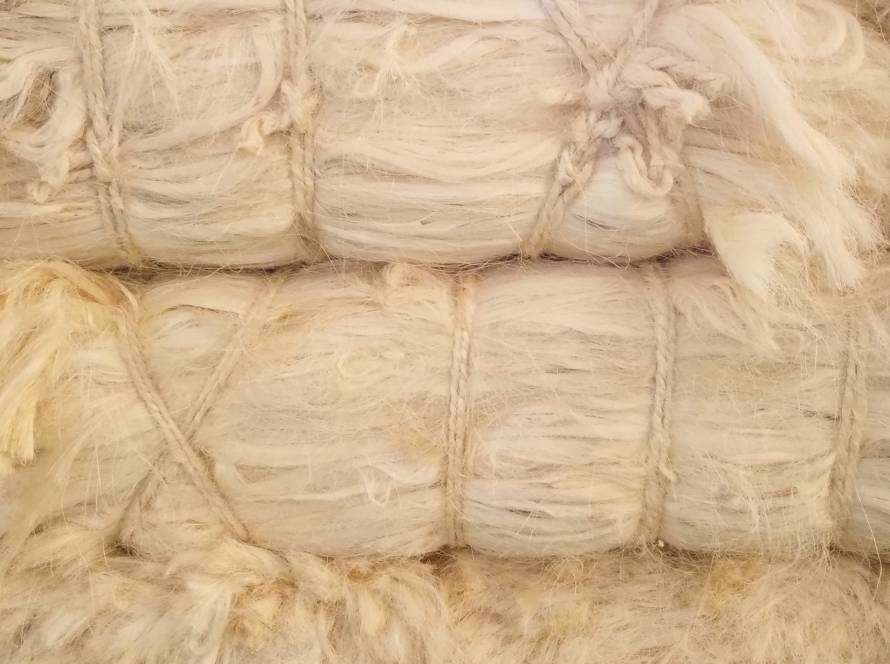
We offer full traceability from farm to bale, consistent grading across UG, SSUG, and TOW classifications, sustainable farming practices aligned with global ESG expectations, direct communication with no broker markups, and reliable export logistics from Tanga port.
The sisal market is not slowing down. The question is whether your supply chain is ready.