Tanzania Sisal Fiber: Why the World’s Top Manufacturers Are Sourcing From Tanga
There is a reason why global manufacturers — from rope factories in China to construction companies across West Africa — keep coming back to Tanzania for their sisal fiber. It is not a coincidence. It is geography, history, expertise, and an unmatched combination of quality and scale that makes Tanzanian sisal stand apart from every other source in the world.
At Liemba Sisal Estate, located in the heart of Tanzania’s premier sisal-growing region of Tanga, we have seen this demand firsthand. In this post, we explore exactly why Tanzania — and specifically the Tanga region — has become the global benchmark for premium sisal fiber.
Tanzania’s Place at the Top of the Global Sisal Industry
Tanzania is the world’s second-largest sisal producer, sitting just behind Brazil in terms of global output. But what the numbers alone do not tell you is the quality story behind Tanzanian sisal.
Tanzania’s sisal industry is one of the oldest and most commercially organized agricultural sectors in East Africa. The country earned over USD 101.6 million from sisal exports between 2016 and 2020 alone, with markets spanning China, Nigeria, Morocco, Ghana, Europe, the Middle East, and beyond. In the first half of 2024, Tanzania exported approximately 15,200 tonnes of sisal fiber — a figure that speaks to the country’s continued dominance in global supply.
This is not a developing niche. It is a mature, globally trusted industry — and Tanzania is at its center.
Why the Tanga Region Produces the Finest Sisal in the World
Not all sisal is created equal. Sisal quality depends heavily on the climate, soil composition, and altitude in which the agave plant is grown. Tanga checks every box.
- Ideal Climate: The coastal climate of Tanga provides the perfect balance of heat, humidity, and dry spells that the agave sisalana plant requires to produce long, strong, and consistent fibers.
- Rich Volcanic Soils: The region’s soil composition allows for deep root development, which directly translates to longer fiber strands — critical for rope-making, construction, and industrial applications.
- Generations of Expertise: Tanga estates have been cultivating sisal for over a century. The decortication techniques, fiber handling processes, and grading knowledge have been refined across generations.
- Proximity to Port: Tanga port provides efficient access to global shipping lanes, reducing lead times and freight costs for international buyers.
The Food and Agriculture Organization (FAO) has recognized Tanzania’s unique position, noting that the country has “comparative and competitive advantages in sisal, such as the weather, soil and human capital.”
China, one of the world’s largest sisal importers, directed approximately 36% of Tanzania’s first-half 2024 exports to its factories — primarily for industrial polishing cloth and composite manufacturing. West African buyers in Nigeria, Morocco, and Ghana account for a growing share, using Tanzanian sisal fiber in plastering, construction, and rope manufacturing.
📌 Why Global Buyers Choose Tanzanian Sisal
The Sisal Fiber Market Is Growing — and Tanzania Is Ready
The global sisal market was valued at over USD 1.35 billion in 2024 and is projected to grow at a compound annual growth rate (CAGR) of approximately 4.3% through 2031. This growth is being driven by one powerful global trend: the shift away from synthetic materials toward biodegradable, sustainable natural fibers.
Across construction, automotive manufacturing, geotextiles, and consumer goods, buyers are actively seeking certified natural alternatives to plastic-based materials. Sisal ticks every box — it is strong, biodegradable, carbon-neutral in its growth cycle, and versatile across dozens of industrial applications.
Tanzania has positioned itself to meet this growing demand. The Tanzania Sisal Board (TSB) has been driving an expansion strategy targeting 120,000 tonnes of annual production, bringing in tens of thousands of smallholder farmers alongside large estate operations.
How Liemba Sisal Estate Fits Into This Story
Established in 2017, Liemba Sisal Estate was built with a single focus: produce and export the highest quality sisal fiber Tanzania has to offer. Operating in Tanga — the heart of Tanzania’s sisal belt — we grow and process UG, SSUG, and TOW grade fibers for buyers across Africa, Asia, the Middle East, and Europe.
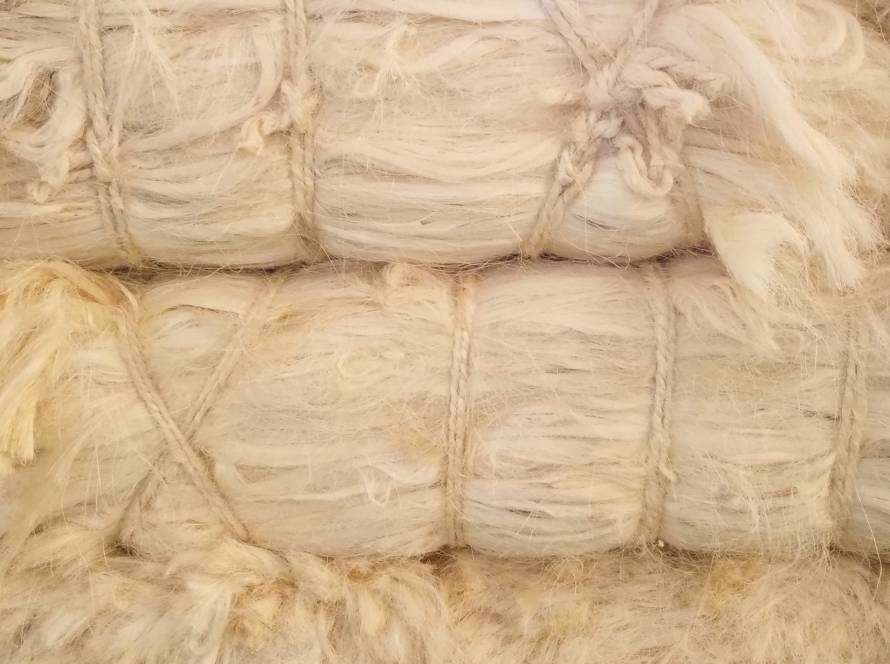
Our commitment goes beyond fiber. We believe in sustainable farming, water-conscious cultivation, and zero-waste processing. Every bale that leaves our estate has been graded, inspected, and prepared to meet the exacting standards that international manufacturers rely on.
Ready to Source Premium Tanzanian Sisal?
Whether you are a first-time buyer exploring sisal fiber for your production line, or an established importer looking for a reliable long-term supplier in Tanzania, Liemba Sisal Estate is ready to serve you.
We offer competitive pricing, flexible quantities, and direct communication with our team — no middlemen, no delays.